BERBER NOMADS MOROCCO: DISCOVER THE AUTHENTIC INDIGENOUS CULTURE AND DESERT TRADITIONS
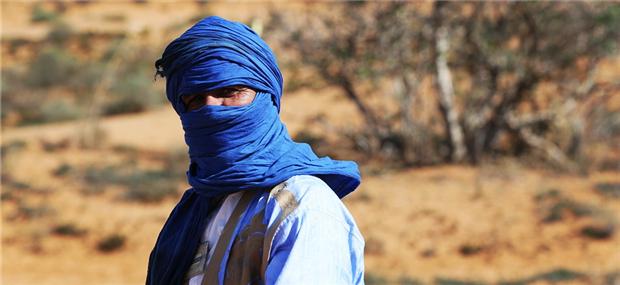
Morocco’s ancient landscapes hold timeless secrets within their mountain peaks and desert expanses. The Berber nomads Morocco travelers encounter today represent one of North Africa’s oldest indigenous communities. These remarkable people, who prefer the name Amazigh meaning “free people,” have preserved their unique cultural heritage for over 20,000 years. Consequently, exploring their nomadic traditions offers travelers an authentic glimpse into Morocco’s soul.
WHO ARE THE BERBER NOMADS OF MOROCCO?
The indigenous Berber people of Morocco have inhabited North Africa since prehistoric times. Furthermore, archaeological evidence suggests their presence dates back thousands of years before Arab conquest. Today, over 10 million Moroccans identify as Amazigh. However, only certain tribes maintain the traditional nomadic lifestyle their ancestors practiced.
Understanding Amazigh Identity and Heritage
The term “Berber” originates from the Greek word “barbaros,” which ancient civilizations used for non-Greek speakers. Nevertheless, the Amazigh people proudly embrace their indigenous name. Moreover, their cultural identity represents resilience and independence. Therefore, visitors should respect this preference when discussing their heritage.
The Berber nomads Morocco showcases include several distinct tribal groups. For instance, the Zayanes near Ouarzazate still migrate seasonally with their livestock. Similarly, Tuareg communities traverse the Sahara’s vast expanses. Additionally, mountain tribes move between highland and lowland pastures with changing seasons.
TRADITIONAL BERBER NOMADIC LIFESTYLE IN MOROCCO
Seasonal Migration Patterns Across Moroccan Landscapes
Berber nomadic communities have perfected the art of seasonal migration over millennia. Consequently, they move their herds between different grazing grounds throughout the year. During winter months, nomadic families descend to warmer plains. Subsequently, spring and summer bring migrations to higher mountain pastures.
This semi-nomadic lifestyle demonstrates deep environmental knowledge. For example, families know precisely when vegetation peaks in different locations. Meanwhile, they maintain permanent villages with fortified granaries. Therefore, some community members always remain to guard crops and property.
Daily Life of Nomadic Berber Families
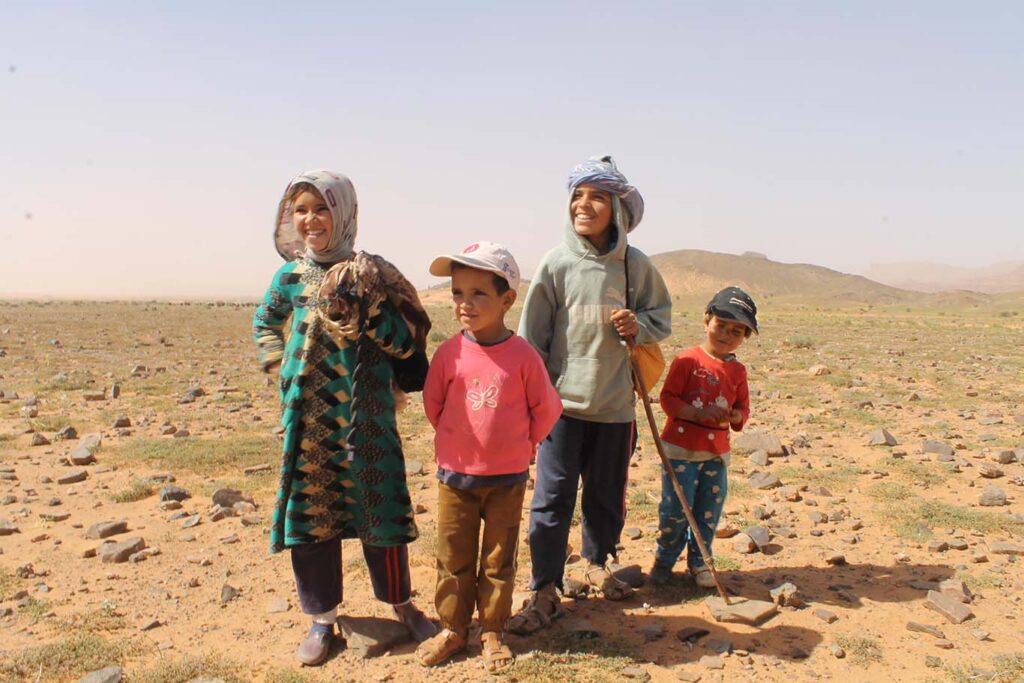
Traditional Berber nomad families typically raise sheep, goats, and sometimes camels. Additionally, they cultivate barley, wheat, and vegetables in their home villages. Furthermore, women excel at weaving, creating the famous Amazigh carpets prized worldwide.
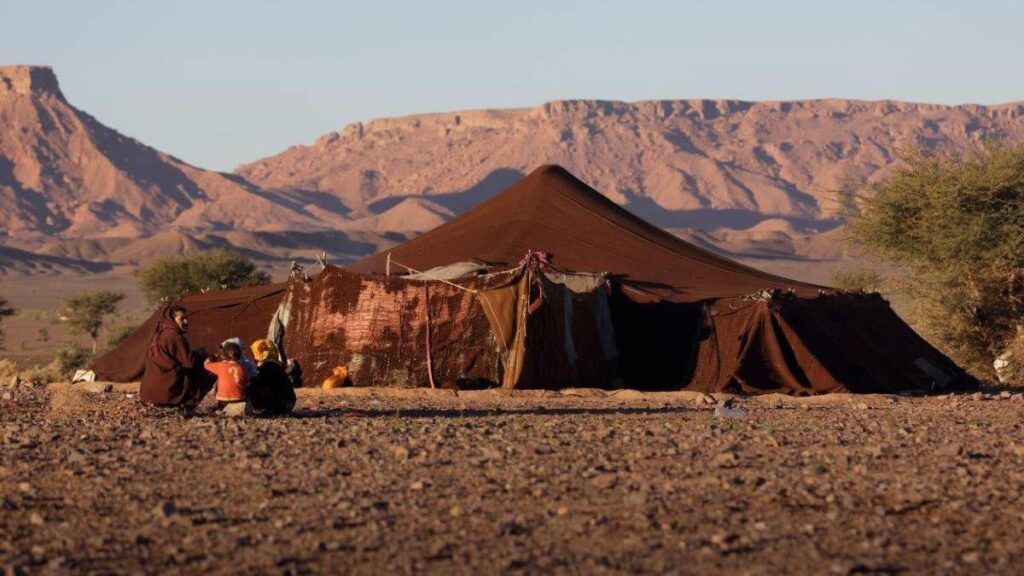
Housing varies based on location and season. In the Sahara, nomads construct tents from wool, camel, or goat hair. Conversely, mountain communities often use adobe houses built into hillsides. Moreover, these structures reflect centuries of architectural adaptation to harsh climates.
BERBER NOMADS MOROCCO: CULTURAL TRADITIONS AND CUSTOMS
Language and Communication
The Tamazight language forms the cornerstone of Berber identity. However, it comprises numerous dialects across different regions. For instance, Riffian Berbers speak Tarafit in northern Morocco. Meanwhile, the Zayanes use variations of Central Atlas Tamazight. Nevertheless, most Amazigh speakers can understand related dialects.
Morocco officially recognized Tamazight as a national language in 2011. Subsequently, schools began teaching the language. Therefore, younger generations now learn both Arabic and their indigenous tongue.
Hospitality and Social Customs
Berber hospitality is legendary throughout Morocco. Consequently, visitors often receive invitations to family homes. Upon arrival, guests typically remove their shoes. Additionally, hosts serve sweet mint tea and traditional meals. Furthermore, expressing excessive admiration for household items may result in receiving them as gifts.
Traditional Berber society follows strong community bonds. Moreover, tribal leaders maintain social order and preserve cultural values. However, different tribes exhibit varying social structures. For example, most follow patriarchal systems, while Tuareg communities practice matriarchal traditions.
EXPERIENCING BERBER NOMAD CULTURE THROUGH MOROCCO TOURS
Desert Tours from Marrakech to Merzouga
Travelers seeking authentic Berber experiences should explore Morocco’s desert regions. Our 3-days tour from Marrakech to Merzouga desert provides immersive cultural encounters. Additionally, the journey crosses dramatic landscapes where nomadic communities thrive.
The marrakech desert tour 3 days includes overnight stays in traditional Berber camps. Furthermore, guests enjoy camel treks led by local nomadic guides. Therefore, visitors gain firsthand knowledge of desert survival skills.
For extended exploration, consider our 4 days desert tour from Marrakech. This itinerary allows deeper engagement with nomadic families. Moreover, travelers witness seasonal migration patterns and traditional crafts.
Tours from Fes to Berber Territories
Fes serves as an excellent starting point for Berber cultural exploration. Our 3 days Fes to Marrakech tour traverses traditional Amazigh settlements. Additionally, the 4 days Fes to Marrakech desert tour provides extended cultural immersion.
The route passes through the Middle Atlas Mountains, home to numerous Berber villages. Subsequently, travelers observe traditional agricultural practices and artisan workshops. Therefore, these tours offer comprehensive cultural understanding.
Casablanca Desert Expeditions to Nomadic Regions
Visitors arriving in Casablanca can embark on extensive Berber discovery journeys. The 5 days desert tour from Casablanca includes multiple nomadic community visits. Furthermore, our best 7 day tour from Casablanca covers diverse Berber territories.
For comprehensive exploration, the 12 days desert tour from Casablanca encompasses mountain and desert communities. Additionally, travelers experience different tribal customs and traditions. Therefore, this extended itinerary suits cultural enthusiasts.
TRADITIONAL BERBER ARTS AND CRAFTS
Amazigh Carpet Weaving and Textile Arts
Berber women have perfected weaving techniques over countless generations. Consequently, Amazigh carpets feature distinctive geometric patterns and vibrant colors. Moreover, each design carries symbolic meaning related to tribal identity and spiritual beliefs.
Natural dyes derived from plants and minerals create the carpets’ rich hues. For instance, saffron produces yellow tones, while pomegranate yields reds. Additionally, the weaving process often takes weeks or months to complete. Therefore, authentic Berber carpets represent significant investments of time and skill.
Jewelry Making and Silver Craftsmanship
Traditional Berber jewelry showcases intricate silverwork and symbolic designs. Furthermore, pieces often incorporate coral, amber, and semi-precious stones. Historically, jewelry served both decorative and protective purposes. Moreover, certain designs were believed to ward off evil spirits.
Women traditionally wore elaborate necklaces, bracelets, and fibulas. Additionally, jewelry indicated social status and tribal affiliation. Consequently, these pieces remain important cultural artifacts today.
Pottery and Ceramic Traditions
Berber pottery reflects both functional needs and artistic expression. For example, traditional water jars feature designs optimized for desert climates. Meanwhile, decorative pieces showcase regional motifs and colors. Furthermore, women typically handle pottery creation using ancient techniques.
BERBER NOMADS AND DESERT ACTIVITIES
Camel Trekking with Nomadic Guides
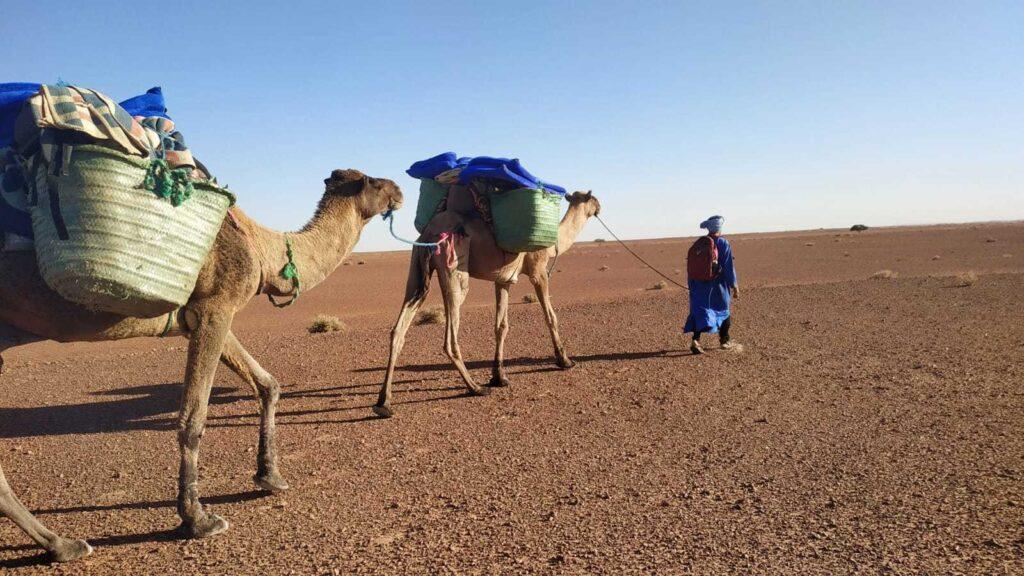
Experiencing the Sahara Desert with Berber guides offers unmatched authenticity. Our camel trekking Merzouga excursions employ local nomadic families. Additionally, these guides share ancestral knowledge about desert survival and navigation.
Camel caravans have transported goods across the Sahara for centuries. Consequently, Berber nomads developed exceptional camel husbandry skills. Moreover, they understand these animals’ behaviors and needs intimately. Therefore, camel trekking with Berber guides ensures safe, educational experiences.
Desert Camp Experiences
Overnight stays in desert luxury camp in Morocco blend comfort with authenticity. Furthermore, camps employ Berber staff who share cultural traditions. Additionally, evening programs include traditional music and storytelling.
Guests learn about nomadic tent construction and desert survival techniques. Moreover, they sample traditional Berber cuisine prepared using ancient methods. Therefore, desert camps provide immersive cultural education.
Adventure Activities in Berber Territories
For adventurous travelers, desert quad riding excursion explores nomadic territories. Additionally, Merzouga buggy tour options provide thrilling desert experiences. Furthermore, these activities support local Berber communities economically.
The excursion 4×4 Merzouga desert allows access to remote nomadic settlements. Moreover, travelers witness traditional lifestyles unchanged for generations. Consequently, these adventures combine excitement with cultural appreciation.
BEST LOCATIONS TO MEET BERBER NOMADS IN MOROCCO
Atlas Mountains Berber Villages
The High Atlas, Middle Atlas, and Anti-Atlas Mountains host numerous Berber communities. For instance, the Ourika Valley near Marrakech shelters traditional villages. Our day trip to Ourika Valley provides accessible cultural encounters.
Mountain Berbers practice terraced agriculture and seasonal livestock migration. Additionally, they maintain adobe houses built into mountainsides. Furthermore, these communities welcome visitors with genuine hospitality. Therefore, mountain visits offer profound cultural insights.
Merzouga and Erg Chebbi Dunes
The Merzouga region represents Morocco’s premier destination for encountering desert nomads. Moreover, the dramatic Erg Chebbi dunes provide spectacular backdrops. Our 2 day tour from Marrakech to Merzouga reaches this iconic location.
Local Berber families operate desert camps and guide services. Additionally, they maintain traditional nomadic practices alongside tourism activities. Therefore, visitors support cultural preservation while gaining authentic experiences.
Zagora and Southern Desert Regions
The Zagora area offers alternative desert experiences closer to Marrakech. Our 2 days tour from Marrakech to Zagora desert suits time-limited travelers. Additionally, this region features distinct Berber tribal traditions.
Zagora nomads traditionally traded along trans-Saharan routes. Consequently, they possess rich historical knowledge about desert commerce. Moreover, local guides share stories passed through generations. Therefore, Zagora provides culturally enriching experiences.
Ouarzazate Desert Gateway
Ouarzazate serves as Morocco’s desert gateway, surrounded by Berber territories. Our desert tours from Ouarzazate explore nearby nomadic communities. Additionally, the 2 days desert tour from Ouarzazate to Merzouga crosses traditional migration routes.
The region’s kasbahs showcase Berber architectural mastery. Furthermore, Ait Ben Haddou day trip from Marrakech visits UNESCO-protected Berber fortifications. Therefore, Ouarzazate combines cultural and historical significance.
BERBER NOMADS MOROCCO: SUSTAINABLE TOURISM AND CULTURAL PRESERVATION
Supporting Berber Communities Through Tourism
Responsible tourism significantly benefits nomadic Berber communities. For instance, employing local guides provides essential income. Additionally, purchasing authentic handicrafts supports traditional artisans. Moreover, staying in Berber-owned accommodations strengthens local economies.
Our private Morocco tours prioritize community engagement and cultural respect. Furthermore, we partner with Berber families to ensure authentic, mutually beneficial experiences. Therefore, travelers contribute directly to cultural preservation.
Learning Berber Traditions and Skills
Many tours include hands-on cultural workshops. For example, visitors learn traditional bread-making techniques. Additionally, carpet weaving demonstrations reveal this ancient art’s complexity. Furthermore, pottery classes teach skills passed through generations.
Our Morocco family tour incorporates child-friendly cultural activities. Moreover, families participate in traditional cooking sessions. Consequently, these experiences create lasting memories while supporting cultural continuity.
Ethical Considerations When Visiting Nomadic Communities
Respectful interaction requires cultural sensitivity and awareness. First, always ask permission before photographing people. Additionally, dress modestly in traditional communities. Furthermore, accept hospitality graciously but avoid creating dependency.
Supporting local economies through fair purchases benefits communities sustainably. Moreover, choosing tour operators with strong community ties ensures ethical practices. Therefore, thoughtful tourism strengthens rather than exploits Berber culture.
PLANNING YOUR BERBER NOMAD CULTURAL EXPERIENCE
Best Times to Visit Berber Territories
Spring (March-May) and autumn (September-November) offer ideal visiting conditions. During these periods, temperatures remain comfortable for desert exploration. Additionally, spring brings flowering almond trees in mountain regions. Furthermore, autumn harvest celebrations provide cultural insights.
Summer visits remain possible but require heat tolerance. Conversely, winter brings snow to mountain regions and cooler desert temperatures. Moreover, winter festivals like the Tan-Tan Moussem occur during this season. Therefore, each season offers unique advantages.
What to Pack for Berber Desert Adventures
Desert visits require specific preparation. Pack lightweight, loose-fitting clothing for daytime heat. Additionally, bring warm layers for cold desert nights. Furthermore, sun protection including hats and sunscreen remains essential.
Comfortable walking shoes suit both desert and mountain exploration. Moreover, modest clothing respects local customs. Therefore, thoughtful packing ensures comfort and cultural appropriateness.
Recommended Tour Durations for Cultural Immersion
Brief introductions work well with 2-day tours from Marrakech. However, deeper cultural understanding requires extended stays. Our 5 days tour from Marrakech to Fes provides comprehensive exposure.
For thorough cultural immersion, consider 14 days Morocco itinerary options. These extended journeys visit multiple Berber regions. Additionally, travelers experience seasonal variations and diverse tribal customs. Therefore, longer tours maximize cultural learning.
FREQUENTLY ASKED QUESTIONS ABOUT BERBER NOMADS MOROCCO
Q: Are Berber nomads still living traditional lifestyles in Morocco? A: Yes, certain Berber tribes maintain nomadic or semi-nomadic lifestyles, particularly in the Sahara Desert and Atlas Mountains. However, many have transitioned to settled agricultural communities while preserving cultural traditions.
Q: What is the difference between Berber and Amazigh? A: “Berber” derives from Greek “barbaros,” while “Amazigh” means “free people” in their indigenous language. Most prefer “Amazigh” as it represents self-identification rather than an external label.
Q: Where can travelers meet authentic Berber nomads in Morocco? A: The Merzouga region, Atlas Mountains, and southern desert areas offer genuine encounters. Our tours from Marrakech, Fes, and Casablanca include visits to traditional nomadic communities with local guides.
Q: What languages do Berber nomads speak? A: They primarily speak Tamazight with various regional dialects. Additionally, most speak Arabic, and many younger people know French or English, particularly in tourism areas.
Q: How can tourists support Berber nomadic communities? A: Purchase authentic handicrafts directly from artisans, hire local guides, stay in Berber-owned accommodations, and choose tour operators who prioritize community partnerships and cultural respect.
Q: What cultural customs should visitors observe? A: Remove shoes when entering homes, dress modestly, ask permission before photographing people, accept offered tea graciously, and respect religious practices and community traditions.
Q: When is the best time to experience Berber nomadic culture? A: Spring (March-May) and autumn (September-November) offer comfortable weather. Additionally, these seasons feature cultural festivals like the Imilchil Marriage Festival and almond blossom celebrations.
Q: What traditional foods do Berber nomads eat? A: Their diet includes couscous, bread, tagines, dates, olives, almonds, and dairy products. Moreover, meals reflect seasonal availability and agricultural production from their home regions.
EXPERIENCE AUTHENTIC BERBER NOMAD CULTURE WITH TO MOROCCO TRAVEL
Discovering Berber nomads Morocco offers transformative cultural experiences. Furthermore, these encounters reveal Morocco’s ancient soul through genuine human connections. Our carefully designed Morocco Sahara desert tours prioritize authentic engagement with nomadic communities.
We partner directly with Berber families, ensuring mutually beneficial cultural exchange. Additionally, our experienced guides provide deep cultural insights and facilitate meaningful interactions. Moreover, we maintain strong ethical standards protecting both travelers and communities.
Whether seeking luxury Morocco tours or adventurous desert expeditions, we customize experiences to your interests. Furthermore, our private Morocco tours allow flexible itineraries focusing on cultural immersion.
Contact us today to plan your unforgettable journey into Berber nomadic culture. Therefore, you’ll create lasting memories while supporting Morocco’s indigenous communities. Additionally, you’ll gain profound appreciation for one of humanity’s most resilient and fascinating cultures.
Ready to meet Morocco’s Berber nomads? Call us now or visit our website to explore our complete range of Morocco tour packages.